

One of the first questions homeowners ask when considering a new fence is simple and direct: “How much will it cost?” It’s a fair question. But the answer depends on far more than just the material you choose.
Fencing is not just another home improvement project. It’s an investment in security, privacy, curb appeal, and property value. A well-installed fence can protect children and pets, define outdoor living spaces, enhance your home’s appearance, and increase its resale value. Understanding what drives fence pricing helps you plan confidently and choose a solution that fits your needs and budget.
Fence Material Selection: Vinyl, Aluminum, Wood, and More
The material you choose is one of the biggest factors affecting the overall cost of your fence.
Vinyl Fencing
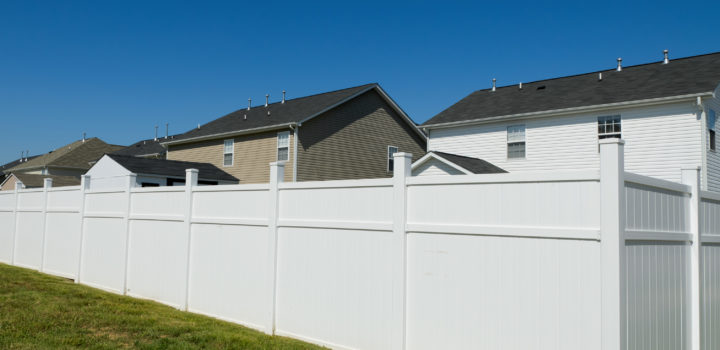
Vinyl fencing is one of the most popular options for homeowners today. It typically costs more upfront than wood but offers significant long-term savings because it requires minimal maintenance. No staining, sealing, or repainting is required, and high-quality vinyl can last for decades when properly installed.
Aluminum Fencing
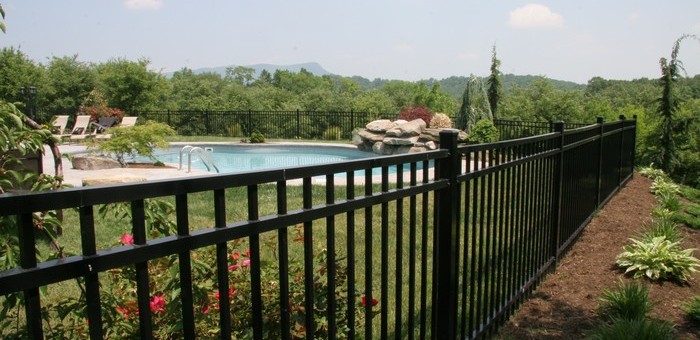
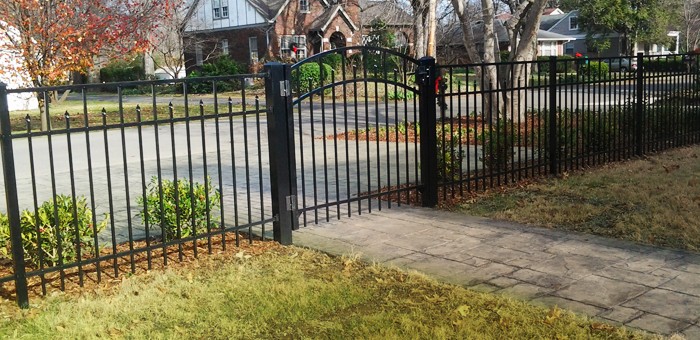
Aluminum fencing is another sought-after option, especially for front yards, pools, and decorative boundaries. It provides a clean, elegant look with excellent durability. Like vinyl, aluminum requires very little maintenance and resists rust when powder-coated.
Wood Fencing
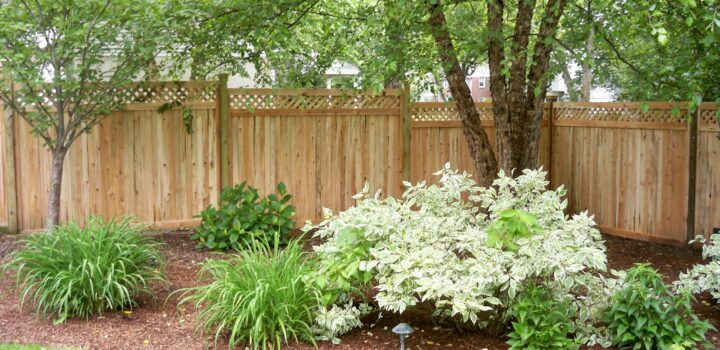
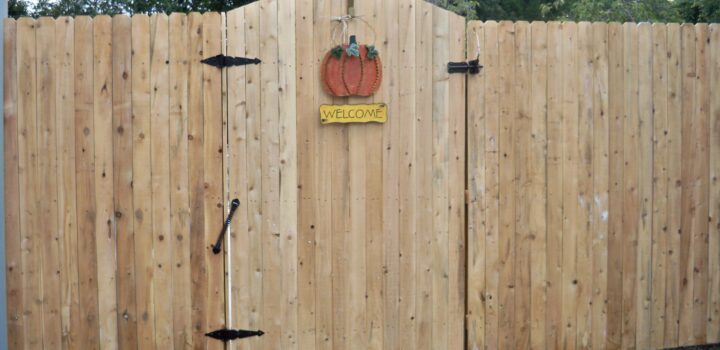
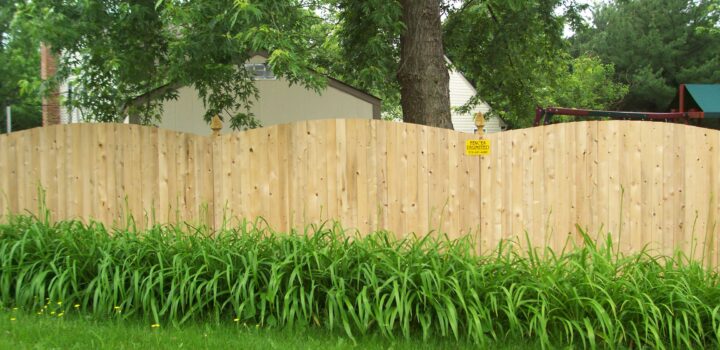
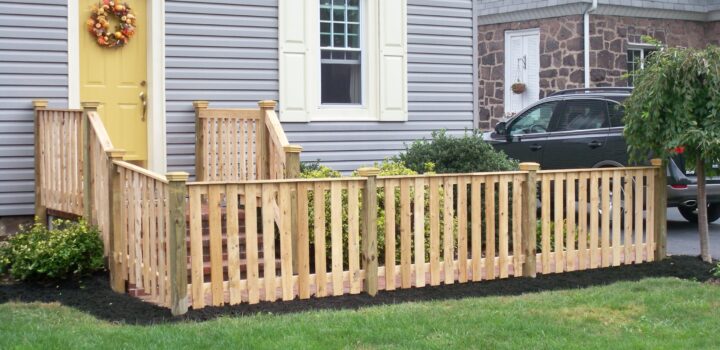
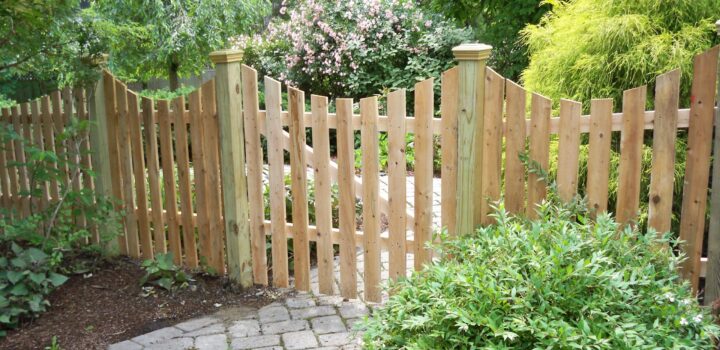
Wood fencing often has a lower initial material cost compared to vinyl or aluminum. However, it requires ongoing maintenance, including staining, sealing, or painting. Over time, those costs add up.
Each material has different installation requirements, durability levels, and maintenance expectations. Choosing the right material is about balancing initial budget with long-term goals.
Total Linear Footage: How Size Impacts Cost
Fence pricing is typically calculated on a per-linear-foot basis. Simply put, the longer the fence line, the higher the total project cost.
Before requesting estimates, it helps to measure or have a professional measure your property lines. Keep in mind that perimeter fencing for large backyards will naturally cost more than enclosing a smaller section of property.
The layout of your fence also matters. Straight runs are typically easier and more cost-effective to install. Properties with multiple angles, curves, or irregular boundaries may require more labor and materials.
Fence Height: Privacy Comes at a Price
Fence height directly impacts material usage and labor time. A standard decorative aluminum fence is often shorter than a full privacy vinyl fence. Taller fences require longer posts, larger panels, and additional structural support.
For homeowners prioritizing backyard privacy, the added height is often worth the investment. However, it’s important to factor this into your budget early in the planning process. Local regulations may also limit fence height in certain areas, so it is important to consult a professional contractor before finalizing plans.
Property Slope and Uneven Terrain
Not every yard is perfectly flat. In fact, many Pennsylvania properties include slopes, hills, or uneven terrain.
When a fence is installed on sloped ground, additional adjustments are required. Installers may need to step the fence panels or custom-cut materials to maintain a consistent appearance. This adds labor time and may increase costs.
Soil conditions also play a role. Rocky soil, clay-heavy ground, or areas with drainage concerns can make post installation more complex. Proper footing preparation is essential for long-term stability.
Decorative Upgrades and Custom Features
Fence upgrades can significantly enhance appearance, but also affect the total price. Some popular decorative add-ons include:
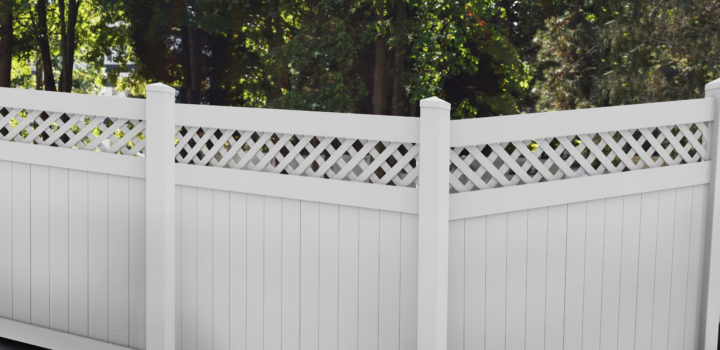
- Lattice tops on privacy fences
- Decorative aluminum finials
- Post caps with lighting
- Custom color options
- Mixed-material accents
These features can elevate curb appeal and create a more customized look. However, they should be considered part of your overall budgeting plan rather than last-minute additions.
Removal of Old Fencing
If you’re replacing an existing fence, removal and disposal costs must be factored into your estimate. Old fencing materials need to be dismantled, hauled away, and properly disposed of.
The condition of the old fence also matters. Removing concrete-set posts or deteriorated sections can require additional labor.
Permits and Local Regulations
Depending on your municipality, permits may be required before installing a new fence. Permit fees vary by location, and some neighborhoods may have HOA guidelines or zoning restrictions that influence design and height. Working with a knowledgeable local contractor helps ensure compliance and prevents costly delays.
Installation Complexity and Labor
Labor is a significant portion of fence pricing. Installation complexity increases when:
- Properties have tight access points
- Obstacles like trees or landscaping must be navigated
- Property lines require surveying
- Custom layouts are involved
Professional installation ensures proper post depth, accurate alignment, and long-term structural stability. While labor costs may seem substantial, they directly affect the quality and longevity of your fence.
Upfront Cost vs. Long-Term Value
It’s important to distinguish between initial price and long-term value. A lower upfront material cost may seem appealing, but maintenance expenses over time can add up quickly. For example:
- Wood fencing may require staining every few years.
- Lower-grade materials may deteriorate faster.
- Improper installation can lead to early repairs.
Vinyl and aluminum fences often have higher upfront costs but offer extended lifespans with minimal maintenance. Over 15 to 20 years, they may prove more cost-effective.
When evaluating pricing, think beyond the installation date. Consider how long you plan to stay in your home and how much ongoing maintenance you’re willing to manage.
Budgeting Tips for Your Fence Project
Planning ahead makes fence installation smoother and more predictable.
Identify Your Top Priority
Are you primarily focused on privacy? Curb appeal? Security for pets? Understanding your main goal helps narrow material and design options.
Plan for Add-Ons Early
If you want decorative upgrades or multiple gates, include them in your initial budget. Adding features later can increase overall cost.
Get a Professional Estimate
Accurate measurements and site evaluations prevent surprise expenses. A professional contractor can assess terrain, identify potential challenges, and provide transparent pricing.
Consider Long-Term Maintenance
Choosing a low-maintenance material may reduce long-term costs, even if the initial investment is higher.
Why Working With a Trusted Local Fencing Company Matters
Fence pricing is not one-size-fits-all. Every property is unique, and the right solution depends on layout, material preferences, and long-term goals.
Working with a trusted local fencing company in Montgomery County and the surrounding areas ensures you receive transparent pricing and expert recommendations tailored to your property. An experienced contractor will walk you through options, explain cost differences, and help you make an informed decision.
If you’re considering a new fence and want clear answers about pricing and options, contact Greenhill Fencing today for a personalized fencing quote. We’re here to help you choose a fence that fits your budget, enhances your property, and delivers lasting value.