
Choosing a fence feels simple at first. Then kids enter the picture. Suddenly, height, spacing, splinters, sharp edges, and climbability all matter more than curb appeal alone. A fence around a yard with children has a different job than one built strictly for looks or property lines. It needs to create a boundary that supports play, supervision, and peace of mind without turning into another thing to worry about.
Many parents start this process asking the same question: Which fence material is best for children? The answer depends on how kids use the yard, how old they are, and how much maintenance a homeowner wants to take on over time.
We’ll break down the most common fence materials with a focus on safety, durability, and real-world family life. If the goal is building one of the safest outdoor fences for kids, understanding the strengths and drawbacks of each option makes the decision much easier.
What Makes a Fence Child-Friendly?
Before comparing materials, it helps to understand what actually matters for a family yard. A child-friendly fence is less about trends and more about daily use.
Key factors include smooth surfaces, limited gaps between pickets, a height that discourages climbing, and materials that hold up to weather without breaking down into hazards. Hardware placement matters too. Exposed nails, loose boards, or sharp edges can turn a fence into a problem instead of a solution.
Visibility also plays a role. Many parents prefer fences that allow sightlines into the yard, especially around play areas or pools. Maintenance is another piece of the puzzle. Materials that require frequent repairs can slowly introduce safety issues over time.
Keeping these basics in mind helps narrow down which fence material is best for children based on how families actually live.
Vinyl Fencing and Family Safety
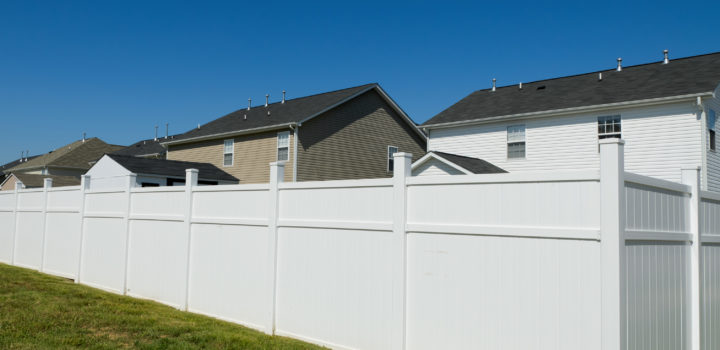
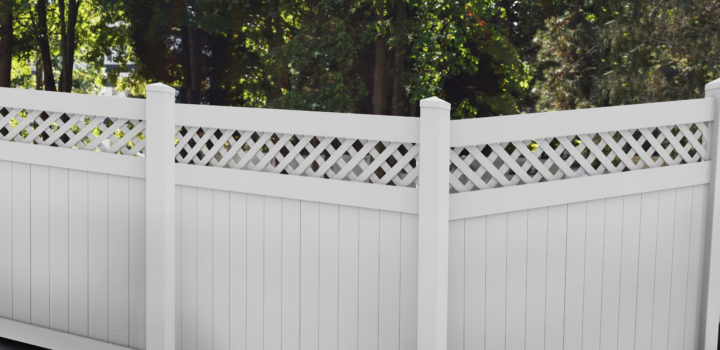
Vinyl fencing continues to be a popular choice for households with kids, and for good reason. The material has a smooth surface with no splinters, no rust, and no need for paint or sealant. That alone removes several common safety concerns found with other materials.
Vinyl panels are typically manufactured with consistent spacing and rounded edges. They also resist cracking and warping under normal conditions, which helps the fence maintain its structure year after year. Parents often appreciate that vinyl does not absorb moisture or harbor mold, which keeps surfaces cleaner where kids might touch or lean.
Another benefit is design flexibility. Vinyl fences come in many styles that allow airflow and visibility while still creating a secure boundary. For families focused on low upkeep and long-term safety, vinyl often ranks high among the safest outdoor fences for kids.
Wood Fencing and What Parents Should Know
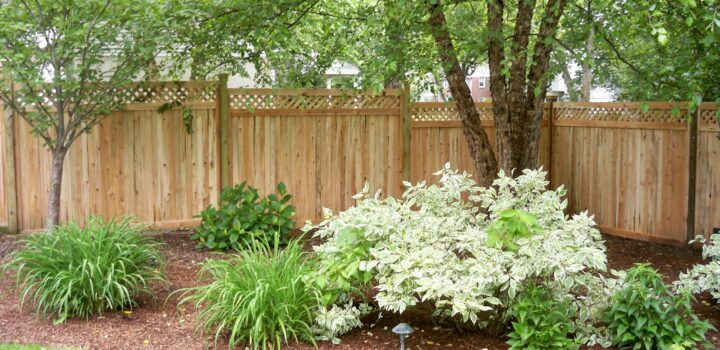
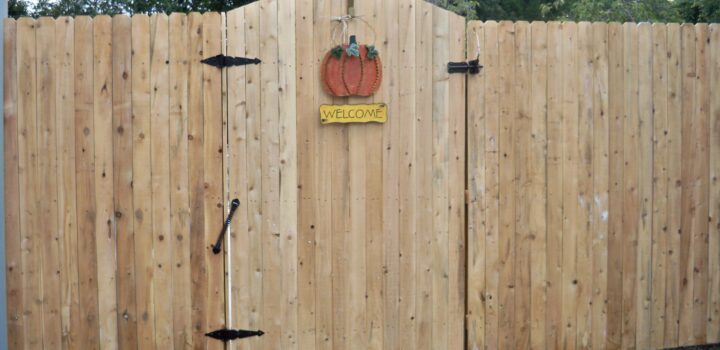
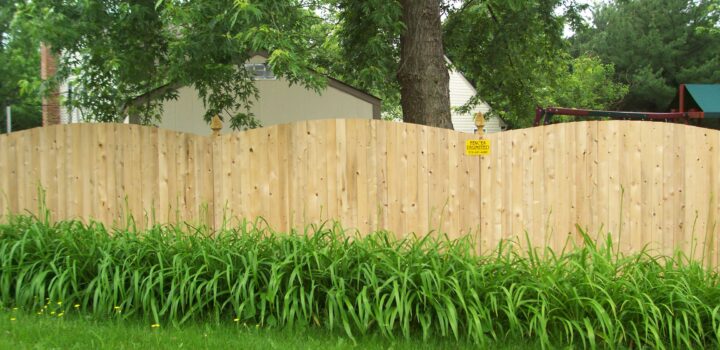
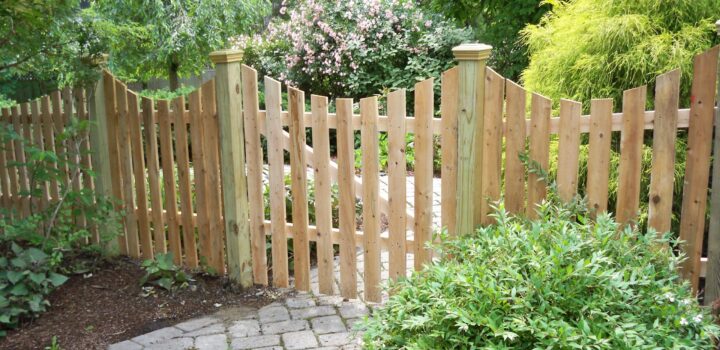
Wood fences bring a classic look to a yard, but they require more consideration in homes with children. Freshly installed and properly maintained wood fencing can work well, especially with tightly spaced pickets and smooth finishes.
The challenge comes over time. Wood naturally reacts to weather. Boards can warp, crack, or splinter. Nails may loosen. Without routine upkeep, small issues can turn into safety concerns. Regular inspections and sealing help reduce these risks, but they do add to long-term responsibility.
Wood fences can still be a solid option for families who enjoy maintenance and want a traditional appearance. Choosing treated lumber, keeping boards sanded, and addressing repairs quickly all help wood remain a contender when weighing which fence material is best for children.
Aluminum Fencing for Visibility and Strength
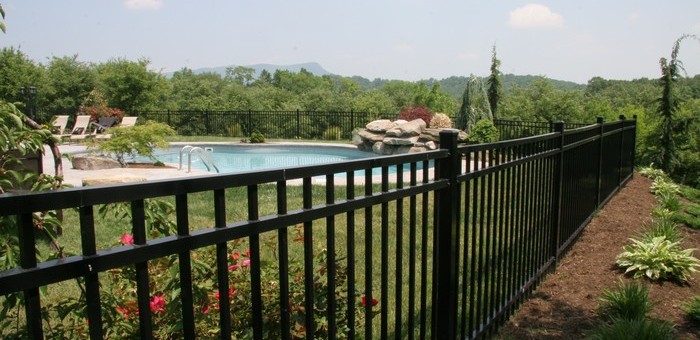
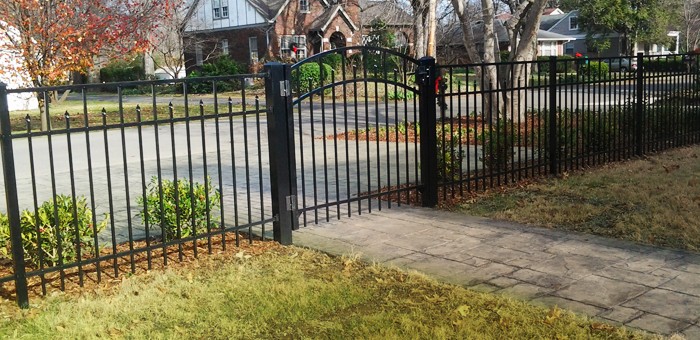
Aluminum fencing is often chosen for its clean look and open design. It provides strong boundaries without blocking views, which many parents like around play spaces and pools.
The material does not rust, chip, or splinter. Pickets are slim and sturdy, making it difficult for kids to break or bend them during play. Spacing and height can be customized to reduce climbing opportunities while keeping sightlines open.
One thing to consider is that aluminum fences usually feature horizontal rails that may attract climbers if installed too low. A thoughtful layout solves this issue. With the right configuration, aluminum frequently earns a place among the safest outdoor fences for kids, especially in yards where visibility matters.
Chain Link Fencing and Child Safety Concerns
Chain link fences are durable and budget-friendly, but they are not always ideal for families with young children. The open weave pattern makes climbing easier, and the metal can heat up in direct sunlight. Exposed edges or loose ties may become a source of scrapes or scratches over time.
Some homeowners address these concerns by adding vinyl-coated chain link or privacy slats. While these improvements help, chain link still requires careful inspection and maintenance to stay kid-friendly.
For parents focused strictly on which fence material is best for children, chain link tends to rank lower than vinyl or aluminum, though it may still suit certain yards with modifications.
Height, Spacing, and Layout Matter More Than You Think
Material choice matters, but design details often matter just as much. Fence height plays a role in keeping kids safely inside the yard. Taller fences discourage climbing and help prevent balls or toys from escaping into neighboring areas.
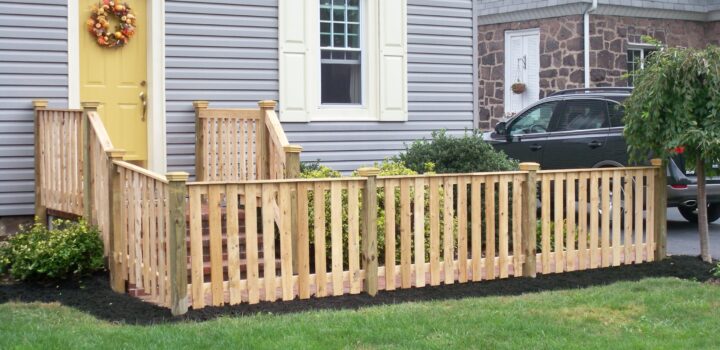
Picket spacing is another key detail. Gaps that seem small to adults can be tempting for kids to squeeze through or climb. Vertical designs typically offer better results for family yards than horizontal layouts.
Gate placement and latching systems deserve attention as well. Childproof latches and self-closing gates add another layer of protection, especially near driveways or streets.
Even the safest outdoor fences for kids depend on thoughtful installation to perform as intended.
Matching Fence Styles With Family Life
Style and safety don’t need to be at odds. Homeowners can explore a wide range of designs that balance appearance and function by reviewing different fence styles.
Some styles prioritize privacy, which helps reduce distractions and keeps kids focused inside the yard. Others offer partial visibility, which many parents prefer while supervising outdoor play. Choosing a style that matches how children use the space helps maximize both safety and enjoyment.
Considering daily routines, play habits, and future needs makes it easier to decide which fence material is best for children without sacrificing visual appeal.
Installation Quality Makes a Big Difference
Even the best materials can fall short if installation is rushed or poorly executed. Posts set too shallow, uneven panels, or misaligned gates can create long-term issues that affect safety.
Professional installers account for soil conditions, slope, and local regulations. They also know how to secure panels, reinforce gates, and avoid shortcuts that might cause problems later.
A properly installed fence holds up better to weather, wear, and energetic kids, reinforcing why installation quality plays such a big role in creating the safest outdoor fences for kids.
Thinking Long Term as Kids Grow
A fence that works for toddlers should also make sense as kids get older. Climbing ability changes quickly, and what once seemed tall enough might not stay that way.
Choosing materials that support future adjustments helps homeowners avoid replacing fences too soon. Vinyl and aluminum systems often allow panel or gate updates without rebuilding the entire structure.
Planning ahead makes it easier to feel confident about which fence material is best for children across different stages of family life.
Maintenance and Ongoing Safety Checks
No fence is completely hands-off. Periodic checks help catch loose fasteners, shifting posts, or surface damage before they become issues.
Vinyl and aluminum require minimal upkeep beyond cleaning and visual inspections. Wood fences need more regular attention, including sealing and board replacement when needed.
Final Thoughts on Choosing the Right Fence
Every family yard is different, but safety always stays at the center of the decision. Vinyl and aluminum tend to offer the most consistent results for parents focused on durability, low upkeep, and reduced risk. Wood remains an option for those willing to stay on top of maintenance. Chain link may work in select cases with added safeguards.
Asking which fence material is best for children leads homeowners to think beyond looks and focus on how a fence functions day in and day out. The right choice supports play, supervision, and peace of mind without adding stress to family life.
Schedule Your Fence Installation With Greenhill Fencing, Inc.
If building one of the safest outdoor fences for kids is a priority, working with experienced professionals makes all the difference. Greenhill Fencing, Inc. helps homeowners choose materials and designs that fit real family needs, not just trends. Are you ready for a fence installation in Montgomery County, PA, or one of the surrounding areas?
Schedule your installation with Greenhill Fencing, Inc. today! We’d be happy to walk you through your options, provide expert guidance, and help you create a yard that feels secure and functional for everyday family life.