
While choosing a beautiful new fence is the fun part of a backyard renovation, navigating local zoning laws and permit requirements is a critical first step that homeowners shouldn’t overlook. It may not be as exciting as picking out hardware or wood stains, but doing your due diligence with the local municipality is the only way to avoid the nightmare of hefty fines or, worse, being forced to remove a brand-new installation. In the Philadelphia and Montgomery County area, regulations can vary block by block, making it essential to understand the rules of the road before the first post hole is dug.
The “Why” Behind the Red Tape
It is easy to view building permits as a bureaucratic hurdle that slows down your home improvement plans. However, these regulations serve several vital functions for you and your neighbors. First and foremost is safety. Proper permitting ensures that your fence doesn’t obstruct the “sight triangles” for motorists at intersections or block access to utility lines and fire hydrants.
Secondly, the permit process reinforces property line accuracy. By requiring a review of your property’s dimensions, the township helps prevent “encroachment,” the awkward and legally messy situation in which a fence is accidentally built six inches into a neighbor’s yard. Finally, permits maintain neighborhood aesthetic standards. They ensure that the character of our historic Philadelphia suburbs remains cohesive, preventing installations that could negatively affect the property values of surrounding homes.
Common Local Restrictions
If you live in Philadelphia or a bustling Montgomery County township like Lower Merion, Abington, or Cheltenham, you are subject to specific “zoning codes.” While every municipality has its own rulebook, there are three common restrictions we see most frequently in our region:
- Height Limits: In many residential zones in Montgomery County, rear and side yard fences are capped at 6 feet. If you are looking to install a fence in your front yard, that limit often drops significantly—sometimes to just 3 or 4 feet—to ensure the street remains open and visible.
- The “Good Side Out” Rule: This is a common courtesy that has been codified into law in many local areas. It dictates that the finished side of the fence (the side without the visible rails and posts) must face your neighbor’s property or the street. Essentially, your fence should “face” the world.
- Setbacks and Easements: You may not be allowed to build your fence directly on the property line. Some townships require a “setback” of a few inches or feet. Additionally, if there is a utility easement on your land (for sewer or power lines), the township may restrict what kind of fence you can build there to ensure workers can still access the infrastructure.
The Difference Between HOA Approval and Township Permits
A common point of confusion for homeowners in planned communities is the role of the Homeowners Association (HOA). It is crucial to understand that HOA approval is not a substitute for a municipal permit.
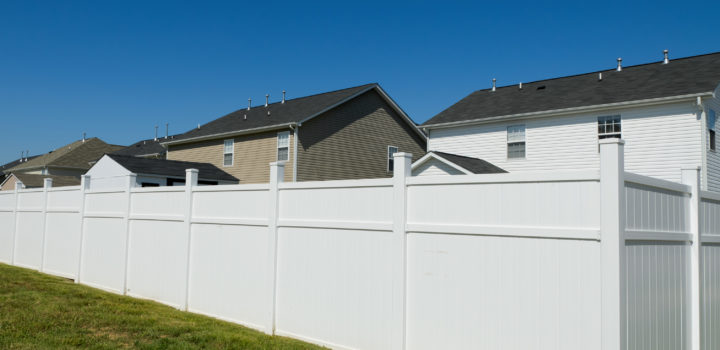
Your HOA is a private entity that focuses on the “look and feel” of the community. They might require a specific vinyl color or a particular picket style to match the rest of the development. However, even if your HOA board signs off on your 6-foot white vinyl fence, you still need to apply for a permit with your township or the City of Philadelphia. The HOA cares about aesthetics; the township cares about safety lines, drainage, and legal codes. You need the green light from both to move forward safely.
The Permit Application Process
Ready to get started? While the process can feel daunting, it generally follows a standard path. Here is a step-by-step look at what you’ll likely need to gather:
- The Property Survey (Plot Plan): This is the most important document. It is a professional drawing of your property that shows your house, property lines, and existing structures. You will need to mark exactly where the new fence will go on this map.
- Product Specifications: Many townships require a brochure or spec sheet showing the material (vinyl, wood, aluminum) and the exact height of the fence you intend to install.
- Contractor Information: You will need to provide the name and license information of your fencing company. In Pennsylvania, contractors must be registered with the Attorney General’s office (HIC #).
- The Fee: Most permits come with a filing fee, which usually ranges from $50 to $200, depending on the project’s cost and scale.
Why Partnering with a Local Expert is Essential
Navigating the various building departments from the Main Line to Northeast Philly can feel like a full-time job. Each office has its own quirks, preferred forms, and processing times. This is where partnering with an experienced local fencing company becomes your greatest asset.
At Greenhill Fencing, we don’t just build high-quality fences; we provide peace of mind. We have spent years working with the zoning officers in Montgomery, Bucks, Philadelphia, and Delaware Counties. We understand the nuances of local codes and simplify the process by handling the heavy lifting for you. From initial measurements to ensuring your installation is fully compliant with local law, our team ensures your project is done right the first time.
Don’t let the paperwork stand between you and the backyard of your dreams. If you’re located in Southeastern PA and are ready to upgrade your property’s privacy and security, let the experts guide you. Contact Greenhill Fencing today for a professional consultation and a hassle-free installation experience.